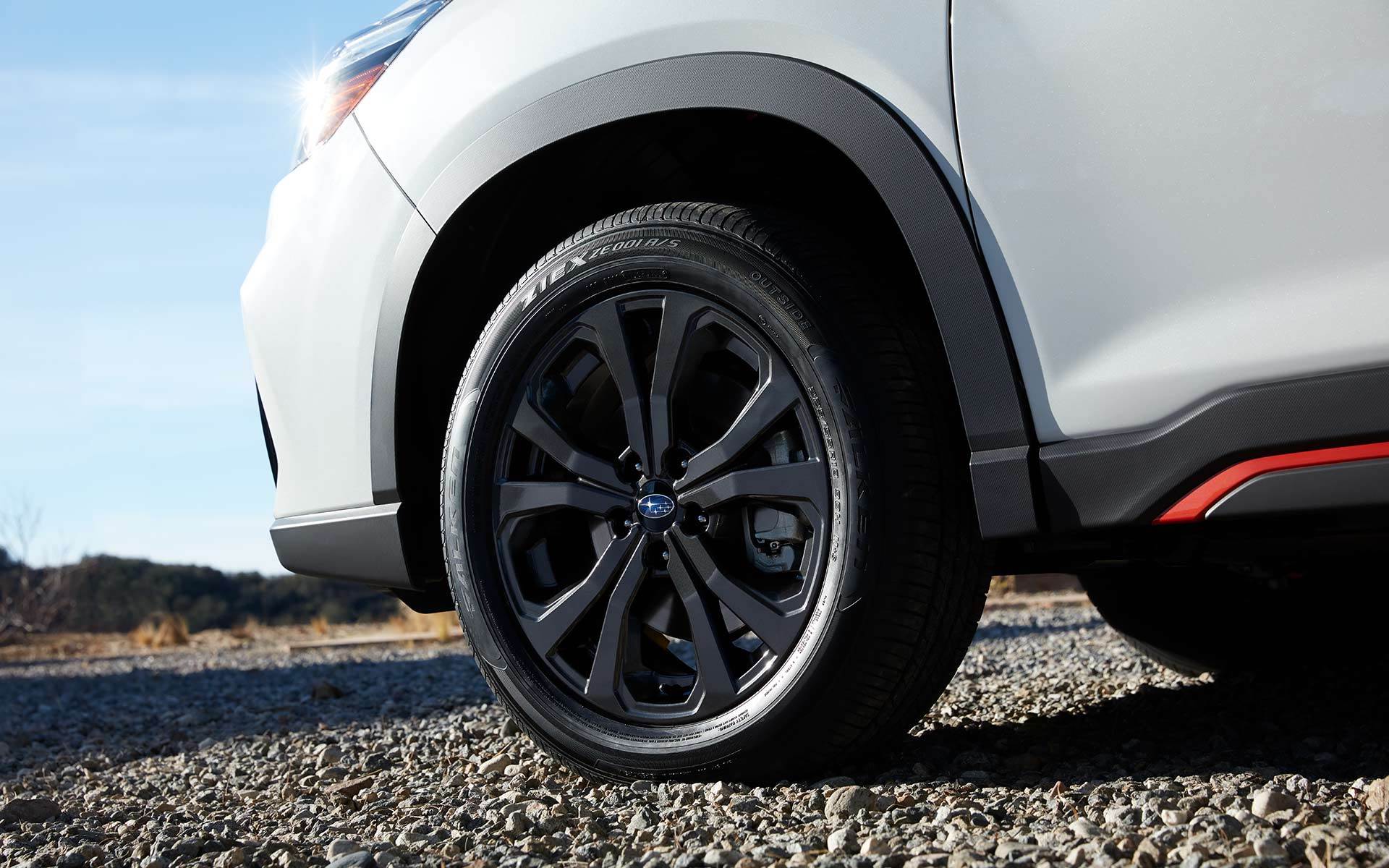

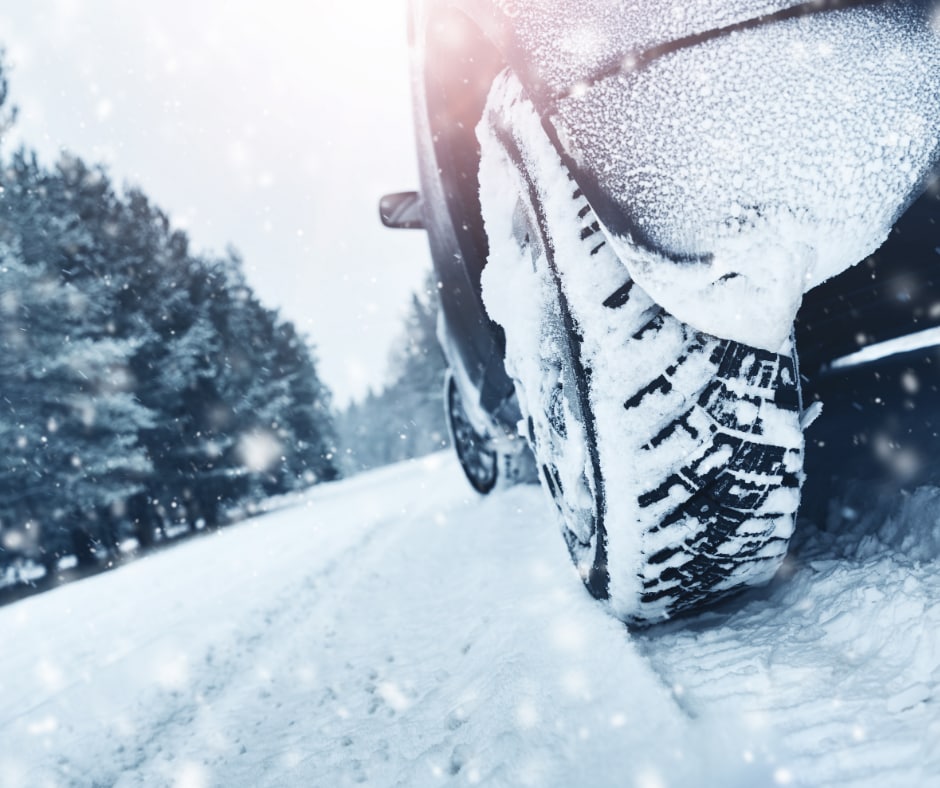
Winter weather in the Philadelphia area can be unpredictable from year to year. On average, the Philadelphia area receives twelve inches of snow. As such, many residents are evaluating whether they should invest in a set of snow tires to help them navigate in snowy and icy conditions. If you are exploring snow tires, the service department at Rafferty Subaru offers a few considerations to keep in mind:
1. What type of Drivetrain does your Car have?
2WD, RWD, and AWD will suffice in minimal snowy or icy conditions. But if your ambition is to drive in severe winter conditions or off-road, you will want to have either 4WD or snow tires. It’s important to keep in mind that while you can equip your car with snow tires, you must have tall enough ground clearance to get through severe wintry weather. It’s a good thing all Subaru SUVs models have 8.7 inches of ground clearance!
2. In the Event of Snowy Weather, Is it Imperative you have to Drive?
For many people, navigating in the snow isn’t really necessary because they are able to wait it out until the roads are clear. Consider your lifestyle: do you have a job that requires you to show up no matter the conditions? If not, it may not be necessary to invest in a set of snow tires.
3. How Nervous are you about Driving in Snow?
Not everyone has experience driving in snow. Whether you’re a young driver, new to the area, or relied on others to navigate winter weather, snow tires boost your confidence when winter weather hits.
Remember that WinterTires Last 4-5 Seasons on Average.
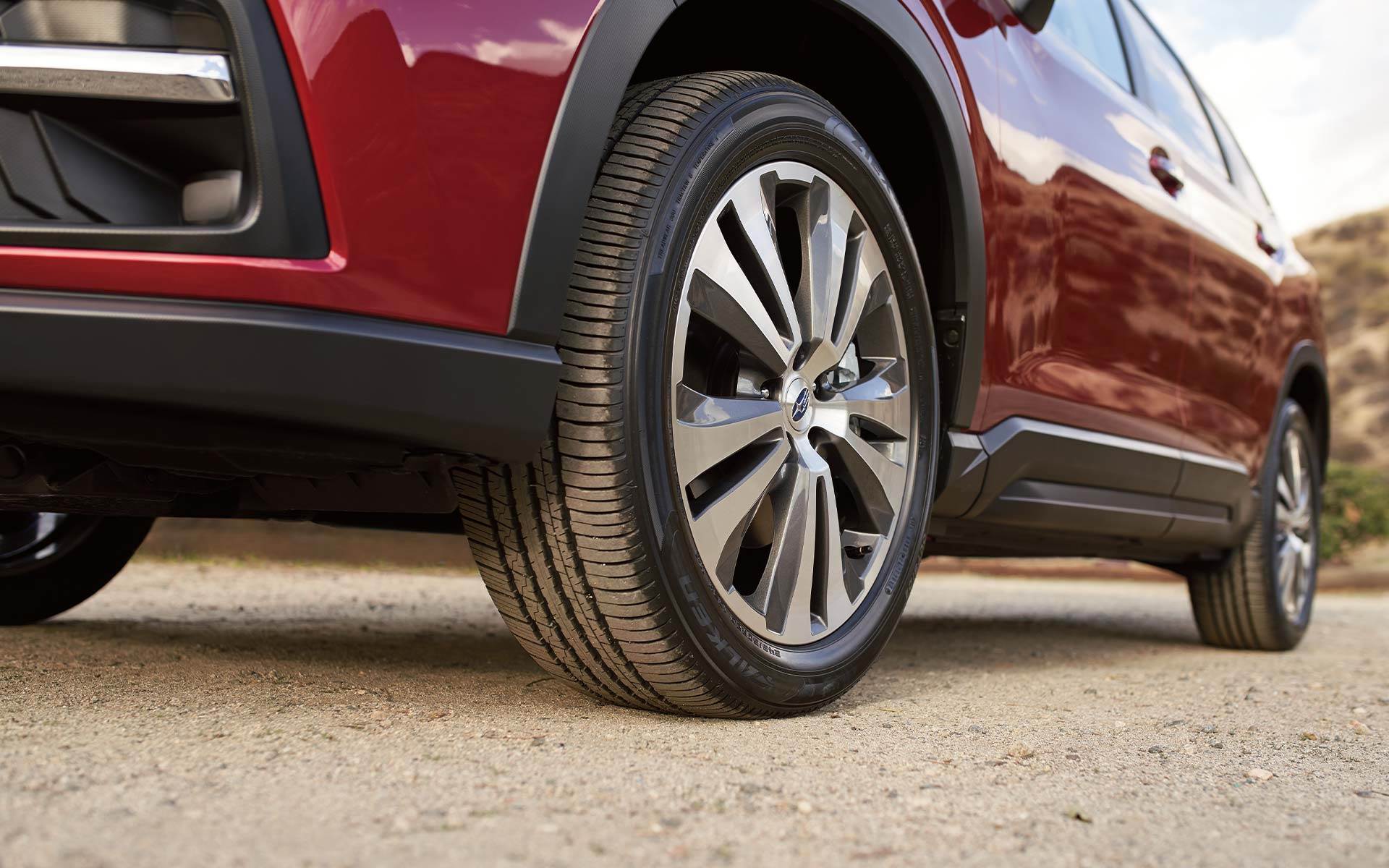
Is it OK to Use Snow Tires year Round?
Technically yes, but it’s not recommended to use snow tires year-round. Winter tires are specifically designed for colder weather, not long-distance performance. Unlike all-season or summer tires, winter tires don’t provide the same handling capabilities. The same extra tread rubber that provides extra traction in the winter will actually break down faster when exposed to hot pavement. Over time, this wear typically doesn’t cancel out the cost of having winter tires replaced with all-season ones.
Do Winter Tires use more Gas?
Generally, in colder winter months, all tires require the vehicle to use more gas. But since snow tires already have less air for more traction, they end up using more gas to accelerate in the process, so you may have to sacrifice some fuel efficiency for the added safety of the winter tires. Luckily, Subaru has some of the most fuel-efficient All-wheel drive vehicles on the market, including the Crosstrek, the Legacy, and the Impreza.
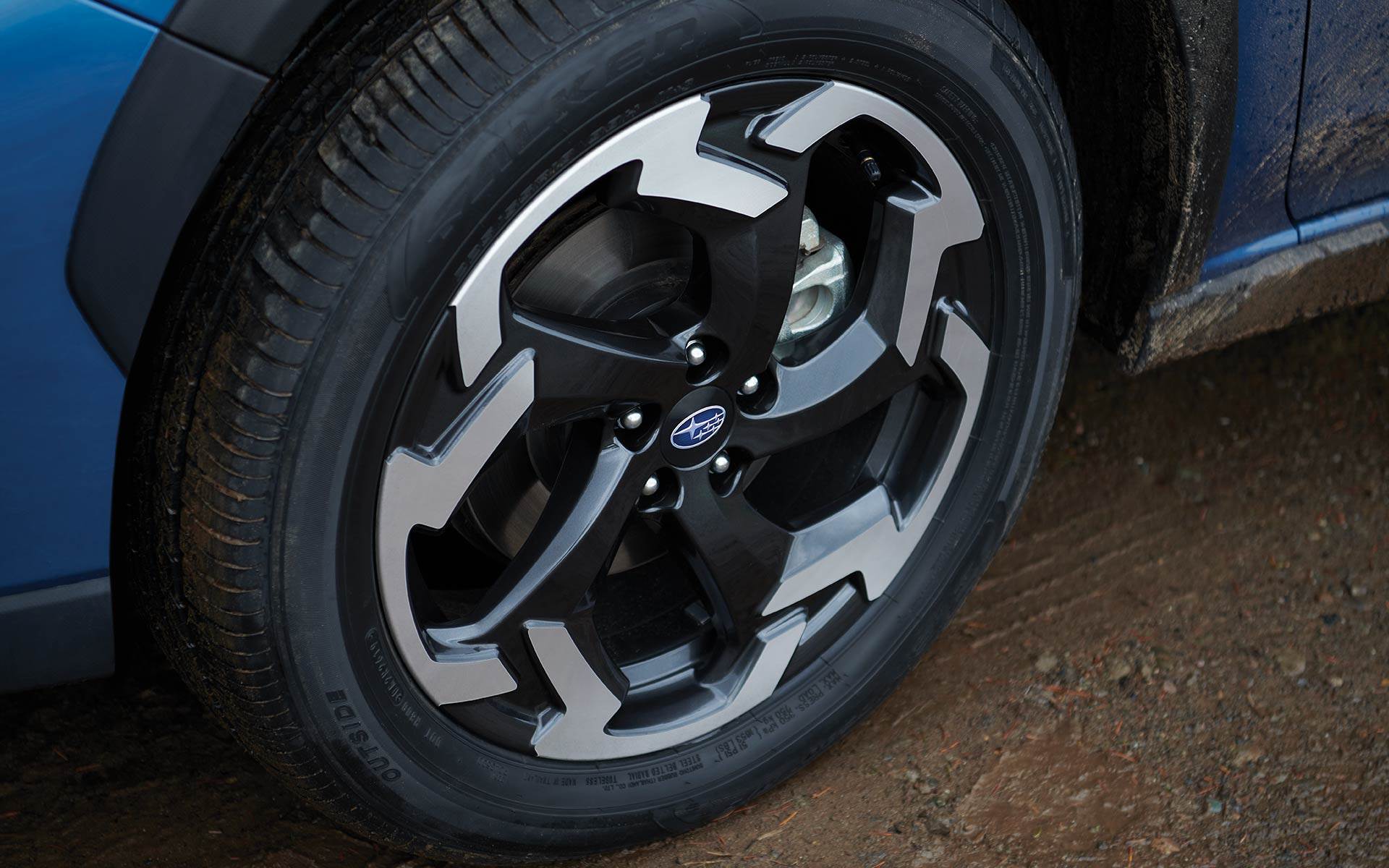
Do I Need Snow Tires if I have AWD?
Since AWD activates all tires at once, it can give drivers a false sense of security in winter weather conditions. While AWD, which comes standard on most Subaru models, gives you greater traction in poor weather conditions, the reality is that all vehicles can still skid in very icy and snowy conditions. However, this typically only happens when driving in severe winter conditions, so the average person in the Philadelphia area could probably get by with just AWD without snow tires if they’re going to stay off the roads at the height of winter storms and not planning to do any off-roading.
Are Subarus Good in Snow?
Subaru’s are known for their all-season durability, but especially for their performance in snow. Subaru SUV models come standard with all-wheel drive for better transaction in winter driving conditions. In 2018, Forbes scored Subaru Outback, Forester, and Crosstrek models in their 10 Best Crossover SUV’s list. Most recently, the Consumer Reports Annual Auto Survey awarded all Subaru models in their top 10 best all-wheel-drive SUVs in the snow.
If you’re on the hunt for snow tires, make an appointment with the service department at Rafferty Subaru. Or to upgrade to a vehicle fit for snow driving, stop by Rafferty Subaru for a test drive today!